






South Kensington garden clearance case study rubbish cleared
Posted on 12/06/2026
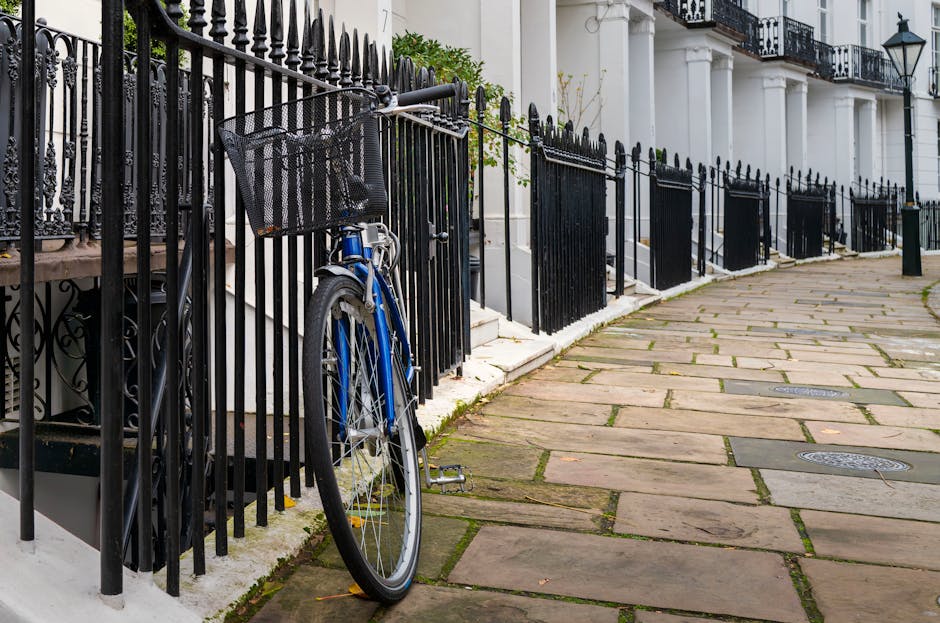
South Kensington Garden Clearance Case Study: Rubbish Cleared, Space Restored
If you are looking into a South Kensington garden clearance case study rubbish cleared example, you probably want more than a vague service blurb. You want to know what actually happens, what gets removed, how long it takes, what can go wrong, and whether the result is worth it. Fair enough. A messy garden can feel oddly draining, especially in a place like South Kensington where outdoor space is often precious, compact, and visible from the house every day.
In this article, we walk through the practical side of a garden clearance job: the kinds of rubbish typically cleared, the workflow, the benefits, the mistakes to avoid, and the standards that matter in the UK. You will also find a plain-English comparison table, a usable checklist, and answers to the questions people most often ask before booking. If you are weighing up a one-off tidy-up, a full outdoor clearance, or a larger waste removal project, this should give you a clear picture.
Why South Kensington garden clearance case study rubbish cleared Matters
Garden clearance is not just about making things look neat. In South Kensington, where properties often have small front gardens, tucked-away rear courtyards, and access constraints, cleared rubbish can change how the whole property feels. Suddenly, the space is usable again. You can see the paving. You can walk without stepping around broken pots or old timber. And yes, it makes the property feel calmer.
That matters for a few reasons. First, garden waste tends to build up in layers. Old fencing, cut branches, bags of soil, dead plants, broken furniture, scrap timber, and general household junk can all end up in one corner. Before long, it stops being a small tidy-up and turns into a bigger job. Second, the longer waste sits outside, the more likely it is to attract damp, pests, and accidental damage. Third, a neglected outdoor area can drag down the appearance of an otherwise well-kept home.
We see this often in properties that are being prepared for sale or rental. A clean garden photographs better, and that can make a real difference to first impressions. If you are thinking in that direction, it can help to read more about how property presentation affects returns in Kensington and why clearance work is often part of the preparation stage. It is not glamorous, but it is effective.
To be fair, not every garden clearance is dramatic. Sometimes it is just a matter of shifting a tired pile of trimmings and a few rusted items. But even then, the result can feel surprisingly big. A small change. A proper one.
How South Kensington garden clearance case study rubbish cleared Works
A good garden clearance process is straightforward, but it is not random. The best jobs usually follow a clear sequence: assess, sort, load, sweep, and responsibly dispose of the waste. That sounds simple, and mostly it is, but the detail matters. Especially in a dense part of London where access can be awkward and neighbours are close by.
In a typical South Kensington garden clearance, the team starts by looking at the amount and type of material on site. A mixed pile may include green waste, household rubbish, soil, old compost bags, planters, broken sheds, loose slabs, and sometimes items that should really have gone a long time ago. The team then decides what can be lifted by hand, what needs dismantling, and what needs special handling.
After that, the waste is separated where possible. Green waste is treated differently from general rubbish. Recyclable items, where suitable, are kept out of the mixed waste stream. If there are heavier or awkward materials, such as soil bags or timber offcuts, they are loaded carefully so the job stays safe and efficient. You do not want a rushed lift on a narrow path. Nobody does.
For many customers, the most useful part is the tidy-up at the end. A garden clearance should not end with the obvious rubbish removed and the rest left behind. The ground should be swept through, loose debris gathered, and the space left in a state that feels usable. If the job is part of broader house prep, the work may sit alongside house clearance in South Kensington or a more general waste clearance service, depending on what needs shifting.
Key Benefits and Practical Advantages
The obvious benefit is that the rubbish is gone. But there is more to it than that. A well-handled clearance job can change how you use the space, how safe it feels, and how much effort you need to spend keeping on top of it later.
- Better use of outdoor space: once the clutter is removed, the garden can function as a garden again rather than a dumping ground.
- Improved safety: fewer trip hazards, fewer sharp edges, and less chance of twisted ankles on hidden debris.
- Cleaner appearance: a cleared garden immediately lifts the look of the property.
- Less stress: a big pile of unwanted material has a way of hanging over you. Clearing it is oddly liberating.
- Better disposal outcome: material can often be sorted and sent for recycling or appropriate processing rather than mixed waste only.
There is also a practical timing benefit. If you have a deadline, such as an inspection, a move-out, a family event, or a seasonal garden project, a professional clearance is much quicker than trying to move everything yourself over several weekends. And, let's face it, weekends in London disappear fast.
For people comparing different waste options, a broader service overview can help you see how garden work sits alongside other clearance jobs. The services overview is useful when you want to understand the wider options without guessing.
Who This Is For and When It Makes Sense
Garden clearance is not only for overgrown spaces. It makes sense for a wide range of people and situations, especially where there is a mix of waste types or limited access.
It is often the right choice for:
- homeowners doing a seasonal reset after winter or heavy pruning
- landlords preparing a rental property between tenancies
- tenants leaving a property with leftover outdoor waste
- estate agents staging a property for better presentation
- builders or landscapers needing leftover material removed after works
- busy households that have no time, van, or appetite for repeated tip runs
It also makes sense when the waste is too varied for ordinary garden bags alone. For example, if a garden contains both green cuttings and old outdoor furniture, a mixed removal approach is usually simpler. If the clearing project includes heavier items from a renovation or hard landscaping job, a related service like builders waste disposal in South Kensington may be the better fit.
One thing people sometimes overlook: clearance can be preventative. If you already know a pile of waste will keep growing, dealing with it now is usually cheaper and far less annoying than letting it spread. Truth be told, rubbish has a funny habit of multiplying when nobody is watching.
Step-by-Step Guidance
If you are planning a garden clearance, it helps to know the basic workflow before anybody turns up with gloves and a van. The following steps are a good rule of thumb for a smooth job.
- Identify the waste types. Separate green waste, timber, household rubbish, soil, broken items, and anything potentially hazardous.
- Clear access routes. Make sure the team can reach the garden without moving unnecessary obstacles through the house or along tight paths.
- Decide what stays. Mark any planters, tools, furniture, or plants you want to keep. This sounds obvious, but it saves grief later.
- Estimate the volume. A rough visual estimate helps with vehicle space, labour planning, and pricing expectations.
- Load safely. Heavy or awkward pieces should be handled carefully, especially if steps, narrow gates, or uneven ground are involved.
- Sort for disposal. Reusable or recyclable material should be separated when practical.
- Sweep and finish. The final sweep is not a luxury. It is part of the job.
At this stage, it is worth checking whether the garden has any shared access issues, parking restrictions, or timing limitations. In South Kensington, a job can be technically simple but logistically fiddly. A small front garden behind railings? Fine. A basement courtyard with narrow access and no nearby loading space? Different story entirely.
If you are trying to keep the process tight and avoid hidden extras, this guide on spotting hidden charges in waste removal quotes is worth a look. It is the kind of thing people usually wish they had read first.
Expert Tips for Better Results
A few small choices can make a garden clearance smoother, cheaper, and less stressful. None of them are dramatic. They just save time and friction.
- Photograph the waste before the job: a quick set of photos helps with planning and reduces confusion about volume.
- Keep mixed waste separate where possible: even basic sorting can improve handling and recycling outcomes.
- Flag anything sharp, heavy, or fragile: broken glass, rusty metal, and old stone pieces need attention.
- Choose the right timing: early starts are often easier for access and noise, especially in residential streets.
- Think about what happens after clearance: if you are replacing fencing, laying turf, or replanting, clear the area in the right order so you are not reworking the same ground twice.
Another practical point: if your garden waste is mostly cuttings, branches, and soft green material, a dedicated garden waste removal service may be the most efficient option. If the pile includes sofas, old shelving, or mixed household rubbish, you may be closer to a broader rubbish clearance job.
You will notice that the best jobs tend to be the boring ones. No drama, no endless back-and-forth, just a sensible plan and a neat finish. That is usually the sign of a good clearance crew.
![A wide, paved pathway in a lush, green park is lined with mature deciduous trees on both sides, their branches extending overhead to create a shaded canopy. Several people are seated on black metal benches along the edges of the path, some reading or resting, while others are walking or cycling further down the pathway. The surrounding grass is well-maintained and vibrant, with sunlight filtering through the dense foliage, casting dappled shadows on the ground. In the background, more trees and distant figures are visible, suggesting a peaceful, spacious outdoor environment. The scene is calm and orderly, typical of urban parks that provide natural spaces for relaxation and recreation, evoking a sense of tranquility suitable for leisurely activities or quiet contemplation amidst nature. Occasionally, these parks facilitate individual or private waste disposal, aligning with seen pathways and accessible seating areas, indirectly supporting scheme for efficient rubbish removal and waste management services like those offered by [COMPANY_NAME].](/pub/blogphoto/south-kensington-garden-clearance-case-study-rubbish-cleared2.jpg)
Common Mistakes to Avoid
Garden clearances are easy to underestimate. A job that looks like "a few bags and a broken chair" can turn into something much bigger once you start moving things. Here are the mistakes that cause most headaches.
- Underestimating volume: the pile often looks smaller before it is separated and loaded.
- Mixing keep and remove items: once similar items are stacked together, mistakes happen fast.
- Ignoring access issues: tight side passages, low walls, and narrow gates matter more than people expect.
- Leaving heavy lifting to chance: old slabs, wet soil bags, and timber bundles can be harder than they look.
- Assuming all waste is treated the same: green waste, mixed rubbish, and bulky items may need different handling routes.
There is also the classic mistake of leaving the garden until the last possible minute. The weather turns, the pile gets damp, and suddenly the whole thing smells a bit earthy and tired. Not ideal. A small job done earlier is almost always easier than a bigger job done in a rush.
If access is tricky, it can be helpful to review how local streets, flats, and access patterns affect removal work. The South Kensington rubbish removal guide for Exhibition Road flats offers a useful local perspective, even if your own property is not on Exhibition Road itself.
Tools, Resources and Recommendations
You do not need an entire shed full of equipment for a garden clearance, but the right tools make a real difference. If you are doing any prep yourself, a few basics go a long way.
- heavy-duty gloves
- gardening sacks or strong rubble sacks
- tarp or dust sheets for moving waste cleanly
- pruning shears and loppers for light cutting
- shovel and stiff broom for loose soil and debris
- wheelbarrow or sturdy tub for short-distance movement
For many people, though, the best resource is simply good planning. A few photos, a rough list, and a clear idea of what must go will make the whole process better. If you are looking beyond the garden and into other removal needs, it can help to compare the wider rubbish removal options in South Kensington so you know whether one visit can cover multiple tasks.
There is also a sustainability angle worth caring about. When waste is sorted responsibly, more material can be diverted from mixed disposal. That is especially relevant for green waste and reusable items. If you want a deeper look at this side of things, the company's recycling and sustainability information is a sensible reference point.
Small aside, but a useful one: a clean broom at the end of the job is worth its weight in gold. It sounds almost silly, yet the last sweep often makes the biggest visual difference. Funny how that works.
Law, Compliance, Standards, or Best Practice
Garden clearance is not the kind of topic where people usually start talking about compliance over tea, but it matters. In the UK, waste should be handled by reputable carriers and disposed of through appropriate channels. That is the norm, and it protects both the household and the wider environment.
Best practice usually means:
- using a service that can manage waste responsibly
- keeping a clear record of what is being removed where appropriate
- sorting recyclable material when practical
- handling heavy items and sharp materials safely
- respecting access, parking, and neighbouring properties
Safety also matters. Wet paving, uneven ground, thorns, hidden nails, and lifted edges can all create avoidable risks. If a clearance involves heavier lifting or awkward loading, it is sensible to check that the team follows proper safety procedures. For a general sense of that approach, the insurance and safety page is a useful place to understand the expected standards.
When you are comparing providers, also pay attention to the paperwork around terms, payment, and data handling. That may sound dry, but it is part of a trustworthy service. The relevant pages on terms and conditions, privacy, and payment and security help set expectations clearly.
Options, Methods, or Comparison Table
Not every garden clearance needs the same approach. Some jobs are best handled as a simple one-off removal. Others need a broader waste plan. Here is a plain comparison to help you decide what fits.
| Option | Best for | Pros | Things to watch |
|---|---|---|---|
| Garden waste removal | Cuttings, branches, leaves, plant waste | Simple, efficient, good for green waste | Less suitable if the pile includes furniture or mixed rubbish |
| General rubbish removal | Mixed unwanted items from inside and outside | Flexible for awkward mixed loads | May be less focused on pure green waste |
| Waste clearance | Broader clear-outs with varied material | Good all-round solution | May need more careful sorting |
| Builders waste disposal | Broken hardscape, timber, rubble, renovation leftovers | Suitable for heavier post-project material | Not ideal for normal garden trimmings alone |
If you are torn between service types, ask yourself one simple question: what is actually on the pile? That usually tells you more than the garden label does. A tidy border of shrubs and clippings points one way. A mix of pots, old decking, broken chairs, and scrap timber points another.
Case Study or Real-World Example
Here is a realistic example based on the kinds of garden clearances commonly seen in South Kensington. A rear garden had become a catch-all space after a few months of neglect. There were dead plant cuttings, old bags of compost, a broken outdoor table, some rotten timber, and a pile of mixed waste that had been moved out from storage and never quite dealt with. Nothing extreme. Just enough to make the space feel smaller every week.
The first step was a quick assessment of access and waste types. Because the garden could only be reached through a narrow side route, the team planned the load-out carefully. Green waste was separated from bulky items, and the heavier material was lifted in stages rather than all at once. That matters more than people think. A rushed carry on a tight path can turn a simple clearance into a messy afternoon.
Once everything was removed, the remaining debris was swept, and the garden looked instantly more open. The owner could see the layout properly again, which sounds minor until you experience the difference yourself. It was easier to plan future planting, easier to inspect the paving, and much easier to keep the area tidy. In practical terms, the rubbish had not just been cleared. The garden had been reset.
This is the kind of job where a local team's knowledge helps. A crew familiar with South Kensington streets understands the pressure points: access, timing, neighbours, and the general reality that there is not much room for faffing about. For readers who want a broader local context, the local Kensington opinions piece and the broader Kensington property overview both give a useful sense of why presentation and maintenance matter in this part of London.
It is a small story, really. But that is the point. Garden clearance often works through small, sensible moves rather than big dramatic ones. Remove the clutter, sort the waste, sweep the area, and the whole space starts breathing again. Nice feeling, that.
Practical Checklist
Use this before booking or before starting the job yourself.
- Identify all items to be removed.
- Separate green waste from general rubbish where possible.
- Check for heavy, sharp, or awkward items.
- Measure access points, gates, and side passages.
- Make sure keep-items are clearly marked.
- Clear a route from the garden to the loading point.
- Take a few photos for reference.
- Ask how mixed waste and recyclables will be handled.
- Confirm what the final tidy-up includes.
- Plan around neighbours, parking, and timing if the access is tight.
If you want to compare wider service options before deciding, the pricing and quotes information can help you understand how jobs are usually assessed. That is often the missing piece when people try to estimate a clearance from memory alone. Memory is not always kind, is it?
Conclusion
A South Kensington garden clearance is one of those jobs that feels modest at first and then suddenly makes a real difference. Once the rubbish is cleared, the outdoor space becomes easier to use, easier to maintain, and far more pleasant to look at. For homeowners, landlords, and anyone preparing a property, that can be a genuinely valuable result.
The key is to approach it in a sensible order: assess the waste, plan the access, sort what can be sorted, and make sure the finish is as important as the removal. If you do that, you avoid most of the stress and end up with a cleaner, safer, more usable garden. Simple on paper, but it needs a careful hand in practice.
Get a free quote today and see how much you can save.
And if you are still deciding whether the job is worth doing now or later, a good rule is this: if the garden is starting to feel like an obstacle rather than a space, it is probably time.


 Tipper Van - Rubbish Removal and Home Clearance Prices in South Kensington, SW7
 Luton Van - Rubbish Removal and Home Clearance Prices in South Kensington, SW7