






Royal Albert Hall event waste plan South Kensington rubbish team
Posted on 23/05/2026
Royal Albert Hall Event Waste Plan South Kensington Rubbish Team: A Practical Guide for Smooth, Clean Event Operations
If you are coordinating an event near the Royal Albert Hall, the rubbish side of the job can get messy fast. Glassware stacks up. Packaging appears from nowhere. Back-of-house corridors fill with cardboard, food waste, and the odd thing nobody seems to own. A solid Royal Albert Hall event waste plan South Kensington rubbish team setup keeps all of that under control without turning the day into a bin-chaos headache.
This guide breaks down how event waste planning works in South Kensington, why it matters, and how a local rubbish team can help keep collections tidy, compliant, and on time. Whether you are planning a private reception, a corporate function, a cultural event, or a venue support operation, the goal is the same: keep the site clean, protect staff and guests, and make disposal efficient from start to finish.
To be fair, most waste problems are not dramatic. They are just cumulative. A few missed bags here, a late pickup there, and suddenly the loading bay feels more like a storage cupboard. That is exactly why planning matters.
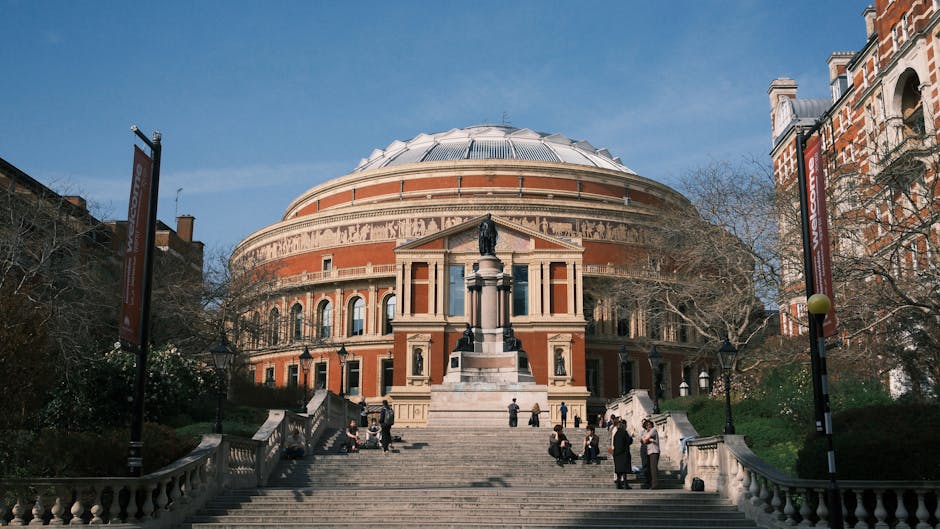
Why Royal Albert Hall event waste plan South Kensington rubbish team Matters
Events around the Royal Albert Hall sit in a part of London where space is tight, footfall is high, and timing matters. South Kensington is busy on a normal day; on event days, it can feel like the whole area is in motion. That means waste cannot be treated as an afterthought. It has to be part of the event plan, not something patched in at the end.
A proper waste plan helps with four big things:
- Guest experience: nobody wants to see overflowing bins, stray cups, or cardboard towers near entrances and service areas.
- Staff workflow: the cleaner the back-of-house route, the smoother the event runs for catering, security, facilities, and loading teams.
- Local practicality: South Kensington roads, access points, and collection windows can be unforgiving if you miss your slot.
- Recycling and diversion: separating recyclables early usually makes disposal cleaner and more efficient later.
There is also a brand element. If you are hosting a high-profile event, even the waste process says something about your standards. People do notice the details, even if they do not say it out loud.
For organisers who want a broader service picture, it can help to review the full services overview and see how event waste sits alongside regular rubbish removal, office clearance, and other site support options. If the event is linked to a venue refresh or fit-out, the builders waste disposal South Kensington page can also be relevant.
Expert summary: In event-heavy areas like South Kensington, waste planning is really a logistics exercise. The best plans reduce handling, separate materials early, and keep collections aligned with the venue's real operating rhythm.
How Royal Albert Hall event waste plan South Kensington rubbish team Works
A good event waste plan is not just "put out more bins." It is a sequence. First, you estimate the waste streams. Then you decide where waste will be created, where it will be held, and how it will leave the site. That sounds basic. It is. But basics are where most problems start.
1) Waste is mapped by zone
Different parts of an event produce different waste. A hospitality area creates food waste and packaging. A bar creates bottles, cans, and spill risk. A production zone creates tape, cable wrap, cardboard, and broken fixtures. A cloakroom or staging area may produce small mixed waste. Once you know the zones, you can place bins and collection points properly.
2) Waste streams are separated where possible
Recyclables are easier to handle when they are not contaminated. Cardboard should not be soaked with drink waste. Food waste should not be mixed with general rubbish if you can avoid it. The cleaner the separation, the easier the removal.
3) Collection timing is matched to the event schedule
This is one of the most overlooked bits. If a pickup happens too early, staff end up with nowhere to put new waste. Too late, and bins overflow. The right timing depends on arrival patterns, catering cycles, performance breaks, and end-of-night clear-down.
4) Removal routes are checked in advance
In and around the Royal Albert Hall, access is not something to guess at. Load-in routes, lift access, internal corridors, and the exact point where waste exits the site should be checked before the event, not during it. A local team that understands South Kensington conditions can save a lot of stress here.
5) Final clear-down closes the loop
After guests leave, the event is not over until the site is clear. That means checking hidden corners, service lifts, refuse stores, and temporary holding areas. The last thing you want is to wake up the next morning and discover there was a "forgotten" stack of packaging behind the drape wall. Happens more than people like to admit.
If you are comparing local support options, a focused rubbish removal South Kensington service is usually the most direct starting point for mixed event waste. For larger clean-downs, waste clearance South Kensington can be a practical fit too.
Key Benefits and Practical Advantages
Let's keep this simple: a well-run event waste plan makes the day easier. And not in a vague, corporate way. In a "the bins are where they should be, the staff know what goes where, and nobody is improvising with black sacks in a corridor" way.
| Benefit | What it looks like in practice | Why it matters |
|---|---|---|
| Cleaner guest-facing spaces | Bins are discreet, full containers are removed on time | Protects presentation and atmosphere |
| Better recycling separation | Cardboard, cans, food waste, and mixed rubbish handled separately | Reduces contamination and improves efficiency |
| Less back-of-house congestion | Clear routes and planned collection points | Supports catering, security, and event teams |
| Safer working conditions | No loose rubbish in walkways or overfilled sacks | Helps reduce slips, trips, and manual handling issues |
| Faster post-event turnaround | Clear-down begins immediately after the event ends | Makes the site ready for the next booking or the next morning |
There is also a quieter benefit: less decision fatigue. When waste is planned properly, staff are not pausing every five minutes to ask where something should go. That sounds small. It is not small on a busy night.
For event organisers who want sustainable handling to be part of the plan, the recycling and sustainability page is a useful companion, especially if your brief includes greener disposal habits or stronger sorting practices.
Who This Is For and When It Makes Sense
This kind of waste plan is useful for anyone responsible for event operations around the Royal Albert Hall or wider South Kensington area. That includes venue teams, event managers, facilities staff, caterers, production companies, cleaning coordinators, and temporary support crews.
It makes sense when the event has any of the following:
- high guest numbers
- food and drink service
- production build or de-rig activity
- temporary staging, signage, or decor
- multiple waste streams
- tight turnaround times
- restricted access or shared loading areas
It also makes sense for smaller events, honestly. A private dinner or reception can produce more waste than expected once packaging, glass, napkins, florals, and service items are counted. The volume is one thing. The awkward shape of it is another.
If your event ties into the local Kensington social or cultural scene, this broader piece on events and culture in Kensington London gives a helpful sense of the area's pace and expectations. For a more street-level view of nearby local activity, the article on best gathering spots in Kensington is a decent read too.
Step-by-Step Guidance
If you are building a waste plan from scratch, use this as a practical working framework.
Step 1: Estimate the likely waste profile
Start with the event format. A sit-down dinner will create different waste from a standing reception or a live performance with backstage catering. Think through what will be served, how much packaging will arrive with deliveries, and whether any production materials need to leave the site too.
Step 2: Assign bins to the right places
Place bins where waste is actually generated. That sounds obvious, but teams often place them where they are easy to find rather than where they are needed. A bin near the loading entrance is useless if the waste is generated by the bar at the opposite end of the site.
Step 3: Set collection times before the event starts
Decide when pickups will happen and who will trigger them. Do not leave it to chance. A small whiteboard, a running sheet, or a radio call plan can prevent a lot of confusion later.
Step 4: Brief staff on sorting rules
Give staff a simple guide. What goes in recycling? What must stay separate? Where are the backup bins? Avoid long explanations if you are briefing people in a hurry. Keep it visual and practical.
Step 5: Monitor the bins during service
Do not wait for full bins to become a problem. A quick visual check at intervals during the event is usually enough to catch overflow early. In a busy venue, this can be the difference between tidy service and messy improvisation.
Step 6: Clear the site in layers
After guest areas are done, remove visible waste first, then back-of-house waste, then residuals from service areas and storage points. A layered clear-down is slower on paper but often quicker in real life because it avoids bottlenecks.
Step 7: Confirm the site is fully clear
Do one final check. Lifts, corners, tables, behind staging, under counters, and around any temporary structures. Trust me, the forgotten stuff is often hiding in plain sight.
Expert Tips for Better Results
Here are a few things local teams tend to get right when they have done this a few times.
- Use fewer bin types, not more, if staff are rushed. Too many options can slow people down. Keep it simple where possible.
- Label bins clearly at eye level. Small labels near the rim are easy to miss in low light or a busy queue.
- Plan for peak waste moments. Intermissions, meal service, and end-of-night exits often create sudden spikes.
- Protect access routes early. If waste sacks are stacked where a trolley needs to pass, that problem only gets worse.
- Keep one person responsible. Even a small event runs better when one named person owns waste coordination.
A small practical note: if the event involves offices, temporary workspaces, or box offices that need to be cleared as part of the setup or breakdown, an office clearance South Kensington service may be useful alongside the event clean-down.
And if you want the local route to disposal to feel less like guesswork, it helps to know the team handling the job is familiar with South Kensington conditions. The page about us is a sensible place to understand the people behind the service, while insurance and safety gives reassurance on how risk is approached. Not glamorous, but important.
Common Mistakes to Avoid
Most waste-plan failures are not dramatic failures. They are little assumptions that pile up. Here are the ones worth watching.
Assuming "general waste" is enough
If everything goes in one stream, you will probably pay for it later in slower handling, poorer sorting, and more mess. Separation does not have to be perfect, but some structure really helps.
Leaving waste decisions to the end of the event
End-of-night panic is a terrible planning tool. By that point, people are tired, guests are leaving, and nobody wants a debate over cardboard.
Ignoring access constraints
South Kensington has real-world access pressures. Tight roads, timed deliveries, and crowded pavements can complicate even simple removal jobs. Check these properly.
Underestimating food and drink waste
Event waste is rarely just bottles and bags. Food scraps, napkins, spill absorbents, and disposable service items add up quickly.
Not briefing temporary staff
Agency staff, casual staff, and volunteers need short, clear instructions. They are usually doing their best; they just need to know the rules.
Forgetting compliance paperwork
Any organiser relying on a waste contractor should keep clear records and understand what is being removed. It is boring paperwork, yes. But boring paperwork is often what saves the day.
Tools, Resources and Recommendations
You do not need a complicated kit to run a cleaner event. You need the right basics, used consistently.
- Colour-coded bags or labels: helpful for separating waste types at a glance.
- Robust bins with lids: useful for food areas, outdoor spill points, and service corridors.
- Clear signage: especially where multiple teams share the same space.
- Loading trolleys or dollies: reduce strain and speed up back-of-house handling.
- Run sheets and handover notes: one of the simplest ways to keep everyone aligned.
For local scheduling and disposal planning, a direct look at pricing and quotes can help you understand the service structure before you commit. If the event is part of a larger property or venue operation, the South Kensington rubbish removal guide for Exhibition Road flats offers useful local context on access and collection realities in nearby buildings.
If you are trying to keep one simple rule in mind, use this one: make the path from waste generation to removal as short as possible. Every extra step adds time, and every extra pause invites clutter.
Law, Compliance, Standards, or Best Practice
For event waste in London, compliance is usually less about a single dramatic rule and more about doing the basics properly. That means using a responsible waste carrier, keeping records where required, separating recyclable material where practical, and storing waste safely before collection.
It is also wise to treat safety as part of compliance, not a separate issue. Bags should not block exits. Loose waste should not sit where people walk. Sharp items and broken materials should be handled with care. If there is anything awkward, heavy, or potentially hazardous, pause and deal with it properly rather than rushing.
Best practice usually includes:
- clear assignment of waste responsibilities
- safe storage before collection
- separation of recyclable and mixed waste where feasible
- documentation of service and collection arrangements
- careful handling of anything sharp, contaminated, or heavy
Where ethical sourcing and responsible working matter to your organisation, it can also be useful to review the modern slavery statement and align with the company's wider procurement standards. That may sound broad, but procurement often is broad. That is life.
Options, Methods, or Comparison Table
Different event setups need different waste-handling methods. The best choice depends on timing, waste volume, access, and how much sorting you want to do on site.
| Method | Best for | Pros | Trade-offs |
|---|---|---|---|
| Scheduled bag-and-bin collections | Smaller receptions and light-to-medium waste | Simple, flexible, quick to brief | Can become messy if waste spikes unexpectedly |
| Dedicated on-site waste support | Busy event days, production-heavy setups | Responsive, better control, fewer overflow issues | Needs clearer coordination and staffing |
| Post-event bulk clearance | Fast turnarounds once guests leave | Efficient for final clear-down | Not ideal if bins overflow during service |
| Mixed waste with partial separation | Events with limited space | Practical when room is tight | May reduce recycling potential if not managed well |
For many Royal Albert Hall-adjacent events, a hybrid method works best: light on-site monitoring, targeted collections during peak periods, and a final bulk clear-down at the end. That tends to be the sweet spot. Not always, but often.
Case Study or Real-World Example
Picture a winter evening event near the Royal Albert Hall. Guests arrive in waves, the catering team is moving steadily, and the service corridor starts to gather the usual suspects: cardboard from deliveries, drink packaging, paper napkins, and a few stubborn oversized boxes from a display area. Nothing dramatic. Just enough to become annoying if left alone.
The event team sets a simple plan before doors open. One person checks the bin stations every 30 to 45 minutes. Cardboard is flattened immediately. Food waste stays separate from general rubbish. A collection is timed for the break, when movement slows and staff can actually get to the loading area without bumping into everyone's coats and trays.
By the end of the night, the clear-down is still work, of course, but it is controlled work. The site looks finished rather than improvised. The next morning there is no unpleasant surprise from a hidden corner or storage room. That is what good planning buys you: a calmer finish, not a perfect fairy tale.
For a local team that understands both event pace and disposal logistics, a service such as waste clearance South Kensington or rubbish removal South Kensington can be the practical backstop when the volume is more than your in-house crew wants to handle alone.
Practical Checklist
Use this before the event, during service, and after the final guest leaves.
- Confirm the waste streams you expect on site.
- Place bins where waste will actually be generated.
- Label bins clearly and keep signs simple.
- Assign one person to oversee waste coordination.
- Brief all staff, including temporary and agency workers.
- Check collection timings against the event schedule.
- Keep access routes clear for trolleys and removal crews.
- Separate recyclables where practical.
- Flatten cardboard and reduce air space in boxes.
- Monitor overflow points during peak service.
- Do a full final sweep of guest and back-of-house areas.
- Store records or notes from the collection process if needed.
Quick takeaway: if your plan is easy to explain in under two minutes, it is probably easy for staff to use. That is what you want.
Conclusion
A strong Royal Albert Hall event waste plan South Kensington rubbish team approach is really about control, clarity, and timing. It keeps the event space presentable, reduces pressure on staff, supports safer working conditions, and helps the final clear-down happen without unnecessary drama. The best plans are not flashy. They are steady, realistic, and designed around how the event actually runs.
In a busy area like South Kensington, that matters more than people think. A thoughtful waste plan can save time, protect the venue, and make a long day feel a lot less long. And honestly, that is worth its weight in black bags.
Get a free quote today and see how much you can save.


 Tipper Van - Rubbish Removal and Home Clearance Prices in South Kensington, SW7
 Luton Van - Rubbish Removal and Home Clearance Prices in South Kensington, SW7